
Harvest season is a time of endless tasks. While the fields stay busy, your farm vehicles often work harder than anything else on the property. Tractors, combines, and utility vehicles carry the weight of harvest, and if safety slips even a little, it can cause accidents. It can lead to numerous losses and breakdowns at the very moment you need them most. It mostly happens because of improper maintenance of farm vehicles. For example, parking harrows outside allow dirt to enter their parts and interrupt functionality.
That’s why taking care of farm vehicle safety is not only smart but also stress-saving. Here’s a full guide, made easy to follow, so you can focus on a smooth harvest.
Are Farm Vehicles Really That Different?
When people think of vehicles, they often imagine cars or trucks. Most of them don’t realize that farm vehicles differ from the typical image of a vehicle they usually think of. Farm vehicles belong to a different category. They are larger, heavier, and built for fields instead of highways. A tractor doesn’t move as fast as a car, but it carries attachments and pulls weights that cars can’t. Moreover, a combine harvester has complex moving parts, sharp edges, and a size that can frighten new drivers. There are many utility vehicles; well, they are small but helpful for handling loads.
These types of vehicles are not suitable for tasks other than those related to agribusiness. So yes, farm vehicles are different. And because of that difference, their safety rules are unique. They need extra care and awareness of both the machine and the land.
Practical Steps for Stress-Free Harvest Safety
No compromise with harvest safety because your crops deserve better value in the market. You can enhance the safety of your crops, workers, and vehicles from all the elements by following some easy steps.
Pre-Harvest Checkup: Start Strong
Before your machines touch the field, give them a health check. Just like people visit a doctor for routine exams, vehicles also need pre-harvest check-ups. Here is what you should check in your farm for a pre-harvest checkup.
- Tires and Tracks: Check air pressure, wear, and stability in tires and tracks. Also, check uneven ground demands a solid grip.
- Lights and Signals: As days shorten during harvest season, working lights prevent accidents at dawn or dusk.
- Brakes and Steering: If steering feels loose or brakes respond late, fix it immediately.
- Fluid Levels: Oil, fuel, hydraulic fluids, and coolant all must be topped up to avoid sudden shutdowns.
This early inspection feels like extra work, but it’s much easier than handling breakdowns in the middle of a busy harvest day. Moreover, after this inspection, you can store vehicles and machines inside barn buildings.
Training: Not Just for New Hands
Some farmers assume that once you have driven a tractor, you can drive them all. That’s a myth. Each machine handles things differently, and small errors can lead to big risks. Training ensures everyone knows the controls, the blind spots, and how to shut the vehicle down quickly if something goes wrong. So, don’t just train newcomers. Even seasoned workers benefit from training before the season starts. Think of it like stretching before a run.
Mind the Roads: Sharing Space with Traffic
Harvest doesn’t stay inside farm boundaries. Moving vehicles on public roads brings new challenges. As you know, tractors and combines move more slowly than regular traffic, often frustrating drivers who are driving behind the tractor.
Here is what you can do in this situation:
- Use hazard lights and reflective triangles to signal slow-moving speed.
- Travel during daylight whenever possible.
- Avoid busy hours on main roads.
- Pull over safely if a line of cars builds behind.
You can drive farm vehicles freely, but safety depends on visibility and patience. So, be careful while taking your farm vehicles on the road.
Field Hazards: Not Just Dirt and Grass
Fields look harmless from a distance, but the ground hides surprises. Often, your vehicles and machines have to work on wet patches and uneven slopes. It’s dangerous for your agricultural vehicles and your safety. Here is how to handle this situation smartly.
- Slopes: Always move straight up or down, not across, to avoid rolling.
- Soft Soil: Be cautious of areas where wheels might sink and trap your machine.
- Obstacles: Be aware of rocks, stumps, or old fencing as they can damage tires or undercarriages.
- Parking Space: Store your farm vehicles in commercial steel barns to save them from dust and moisture.
Keep Riders Away Unless Meant for Them
Farm vehicles look spacious, and people often ride along “just for a quick lift.” But most machines are built with a single seat. So, riding on steps, fenders, or trailers is unsafe. It takes one bump to throw someone off. If a vehicle doesn’t come with a passenger seat and a belt, it’s not meant for more than one rider. Stick to this rule for better safety.
Metal Buildings: Shield for Your Farm Vehicles
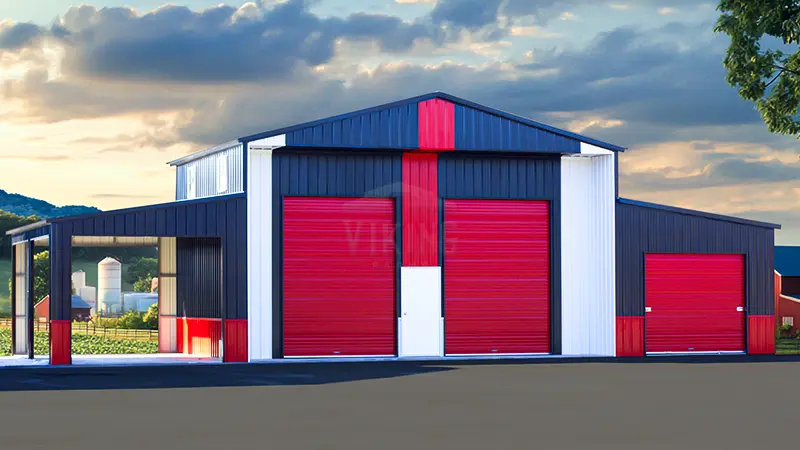
A metal building works like armor for your farm vehicles. Rain, snow, and harsh sun can wear down tractors and harvesters fast, but inside a metal barn, they stay safe and dry. The strong steel walls protect against rust, fading paint, and even falling branches. Most commercial steel structures resist pests and fire, giving extra peace of mind to their owners. They also offer roomy layouts, so vehicles and tools stay organized instead of crammed. Think of them as a long-term investment where your machines rest well, last longer, and are always ready for the next season’s work.
Some Popular Types of Metal Buildings:
- Steel Garages: Perfect for parking tractors, trucks, and harvesters with full protection from the weather.
- Metal Barns: Commercial steel barns are Ideal for storing both crops and vehicles under one strong steel roof.
- Steel Carports: A budget-friendly option that shields machines from sun and rain without full walls.
- Enclosed Storage Sheds: Great for smaller farm tools, ATVs, or utility vehicles that need dry space.
- Clear-Span Metal Buildings: They feature wide, open interiors that accommodate large combines or multiple machines without support columns.
Mental Fatigue: The Silent Hazard
The harvesting season is long; you have to stand under the sun for a long time. Often you have to work from early morning until late at night. In this case, fatigue builds up, and tired minds make slower decisions. Most farm accidents happen when exhaustion sets in.
Tips for staying stress-free:
- Rotate operators if possible.
- Take short breaks between loads.
- Stay hydrated and eat proper meals.
- Park the machine if your focus drifts.
Machines may not complain, but humans need rest to keep them running safely.
Fire and Pest Handling: Avoid Spoilage
Dry crops, heat, and machinery friction create perfect fire risks. Combines especially can spark fires if dust builds near engines. If you have wooden barns, fire can easily catch the walls and burn the building down. Install commercial barns made of steel components because steel does not burn easily, and it slows the spread of fire. Steel walls also block pests like termites and rodents, which often chew through wood and damage stored grain and vehicles. Here are some other ways to ensure safety from fire.
- Keep extinguishers in all major vehicles.
- Clean machinery daily to remove crop dust and debris.
- Park equipment away from dry grass when not in use.
Seasonal Maintenance: The Harvest Goodbye
Once harvest ends, vehicles deserve attention before storage. Clean out dirt, dust, and plant matter that can corrode metal. Drain the fuel if the machines will not run for months. Store them in moisture-resistant spaces like metal barns, away from rodents and moisture. Parking your machines safely in the off-season is also a clever tactic. A little care now saves frustration when the next season arrives.
So, Safe Harvests Mean Smooth Harvests
Can you imagine a harvesting season without farm vehicles? It’s hard. If they are so crucial, their safety automatically becomes essential. They are the backbone of smooth harvesting days. So, treat these vehicles with care and respect their limits. Remember that small precautions can prove effective for big setbacks. So, if you think safety slows down the harvesting process, it doesn’t; it even keeps the process steady, calm, and stress-free.
If you follow the right habits, you can not only keep vehicles safe but also enhance their lifespan, even stretch it to 25-30 years.

